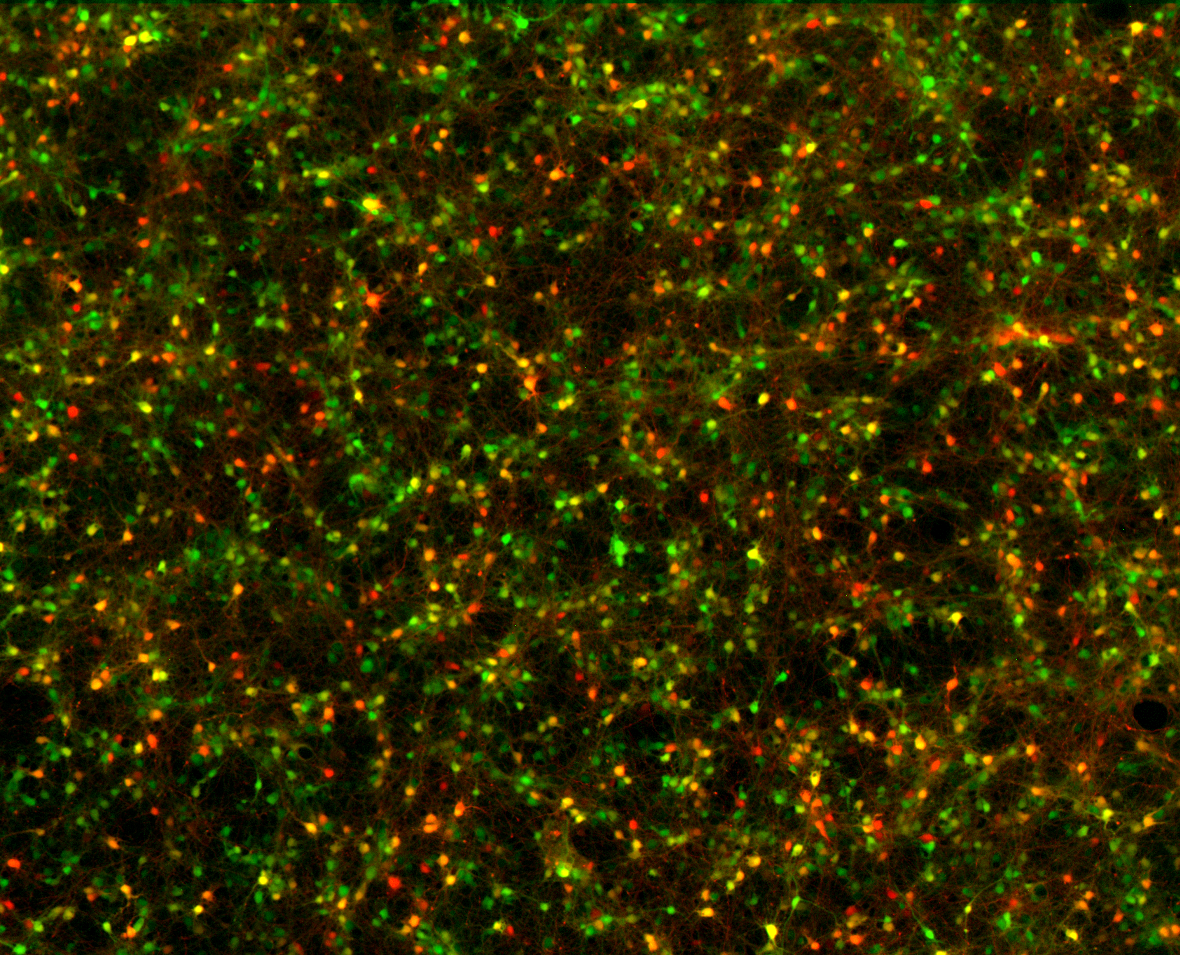
An algal protein gave researchers a precise way to activate selected nerve cells. The experiments that followed changed neuroscience—and opened a demanding path toward restoring vision.
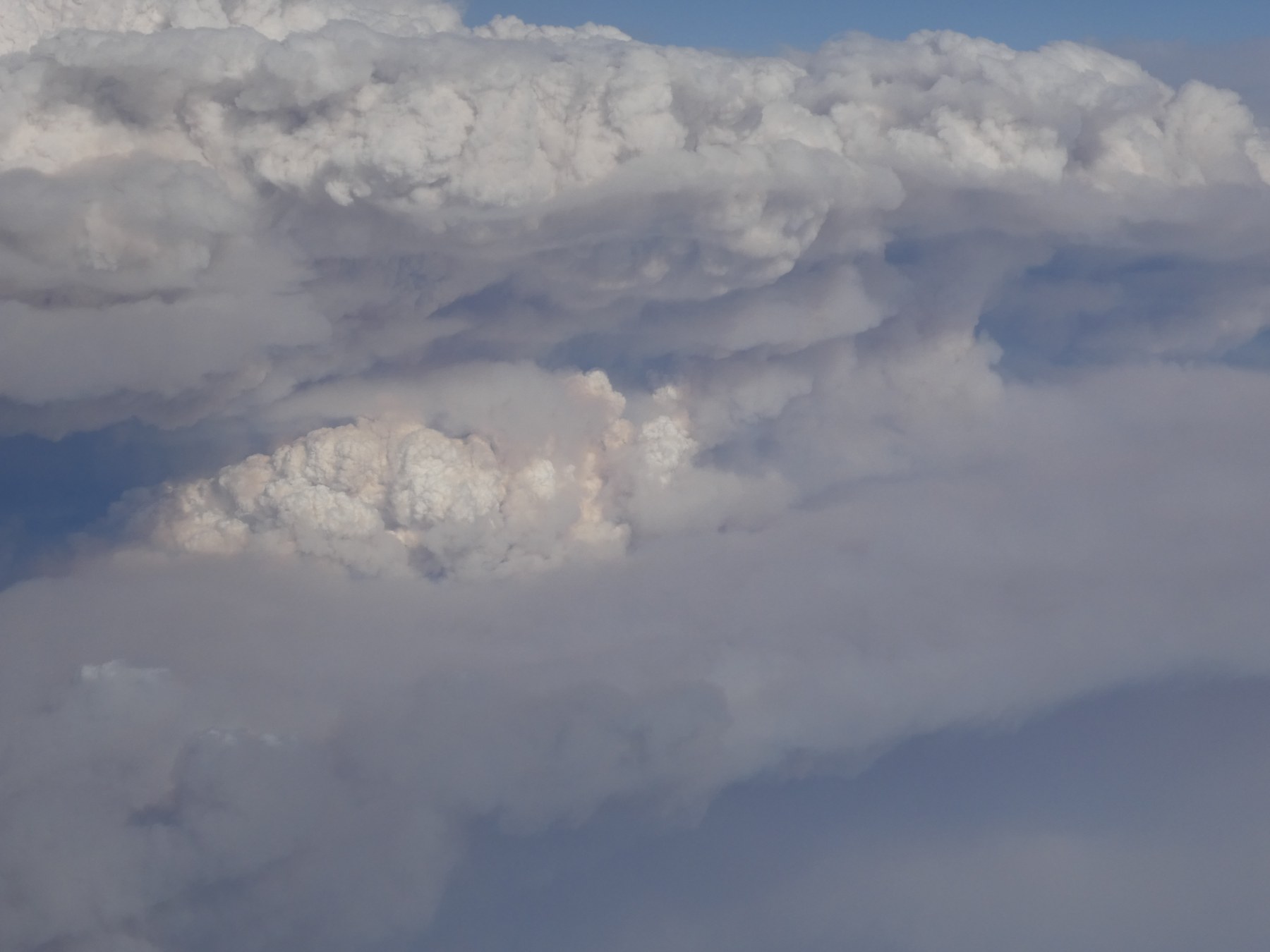
A summer field campaign followed smoke from the fireground into the atmosphere. Its measurements could help explain when a blaze generates dangerous weather—and what its particles do months later.
Gboard’s new training system sends encrypted examples to protected servers. Understanding its privacy promise means following the data—and the checks on who can use it.
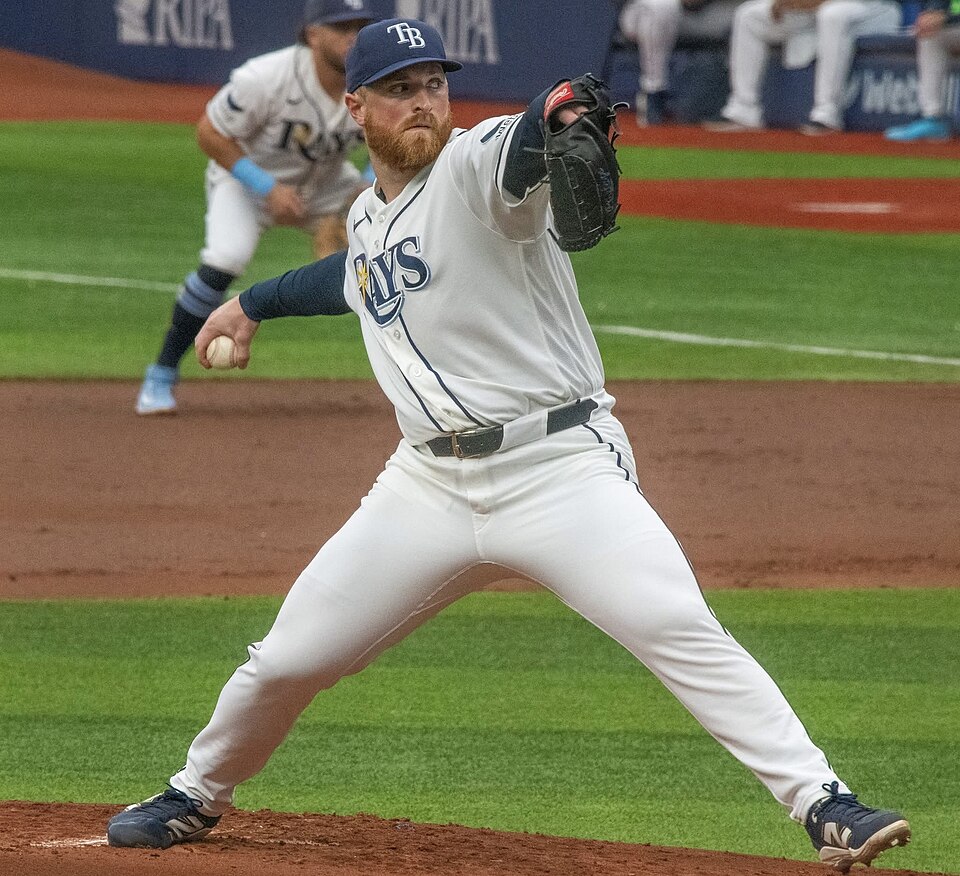
Tampa Bay wins the ALDS opener 1–0 on Jonathan Aranda’s homer. Austin Wells ends the no-hit bid in the eighth, then loses New York’s best chance on the way to third.
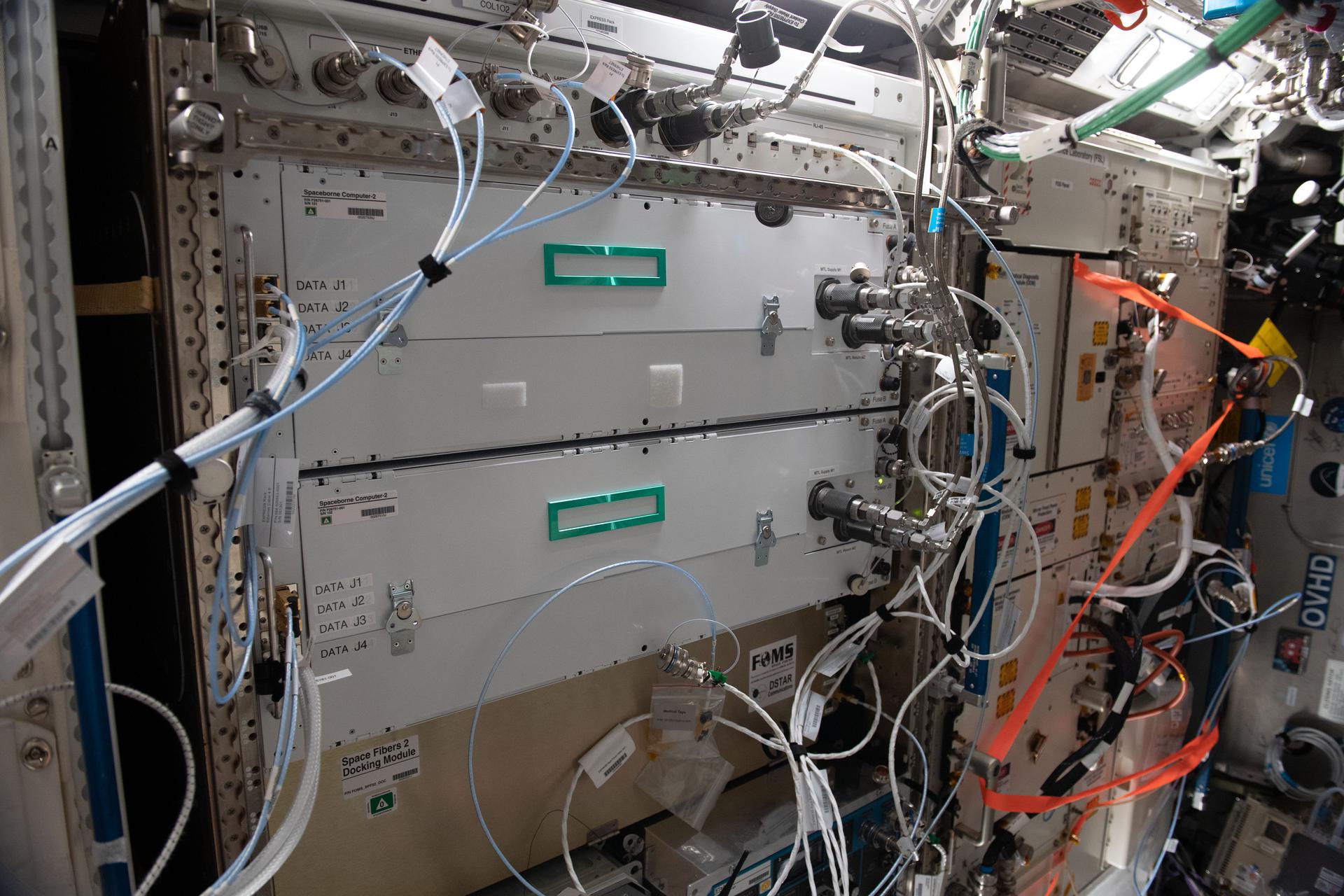
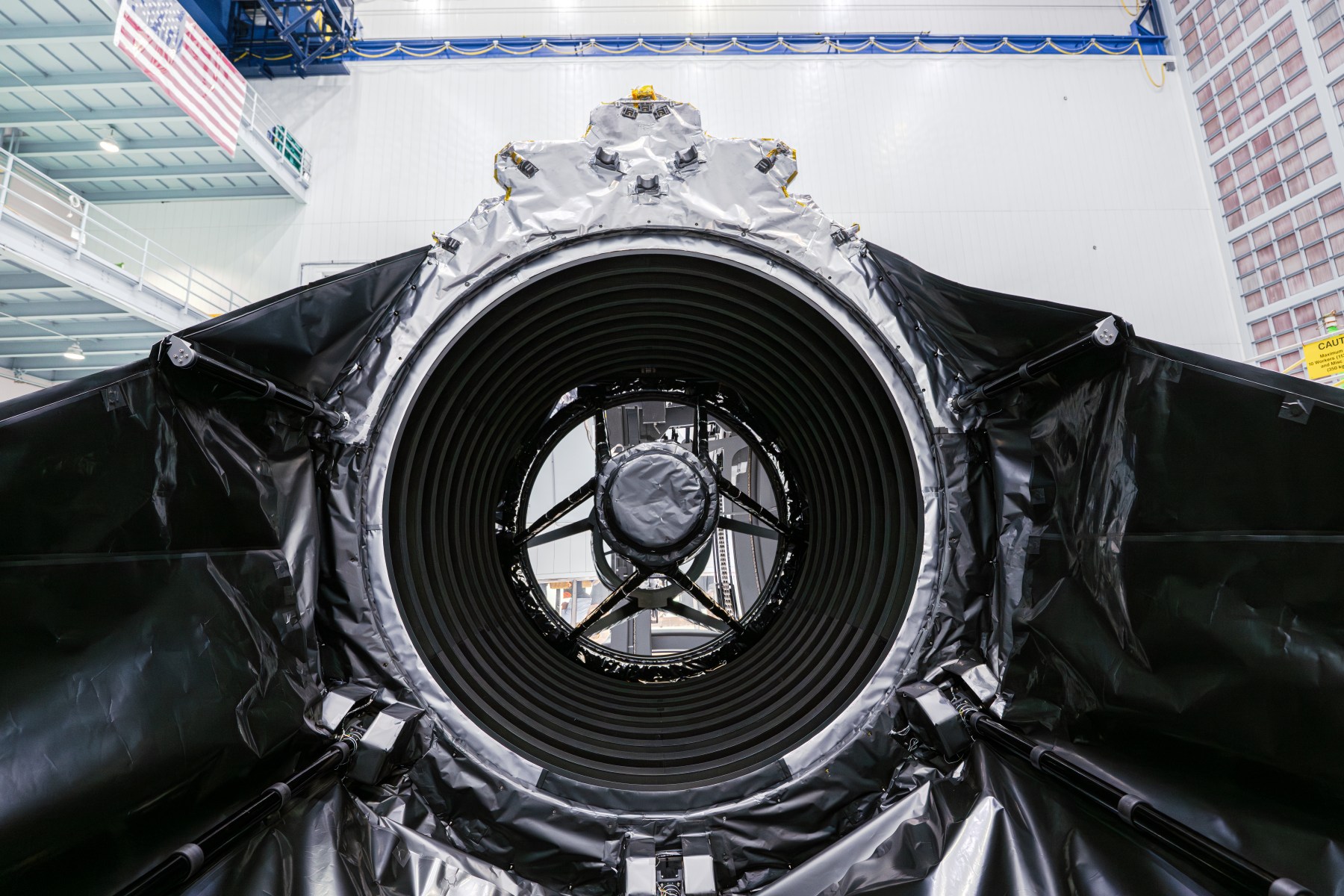
Suncatcher’s first prototype is in orbit. The path to a useful space data centre runs through cooling, reliable computation and communications—and earlier missions show what those tests need to establish.
Faster transcription can help voice assistants prepare an answer while someone is talking. The harder work is handling pauses, corrections and the moment to speak.
Golden State beats Dallas 77–73 for its first playoff-series win. Veronica Burton starts the recovery, Arike Ogunbowale nearly stops it, and a late replay decision leaves Gabby Williams to finish at the line.
5 min read
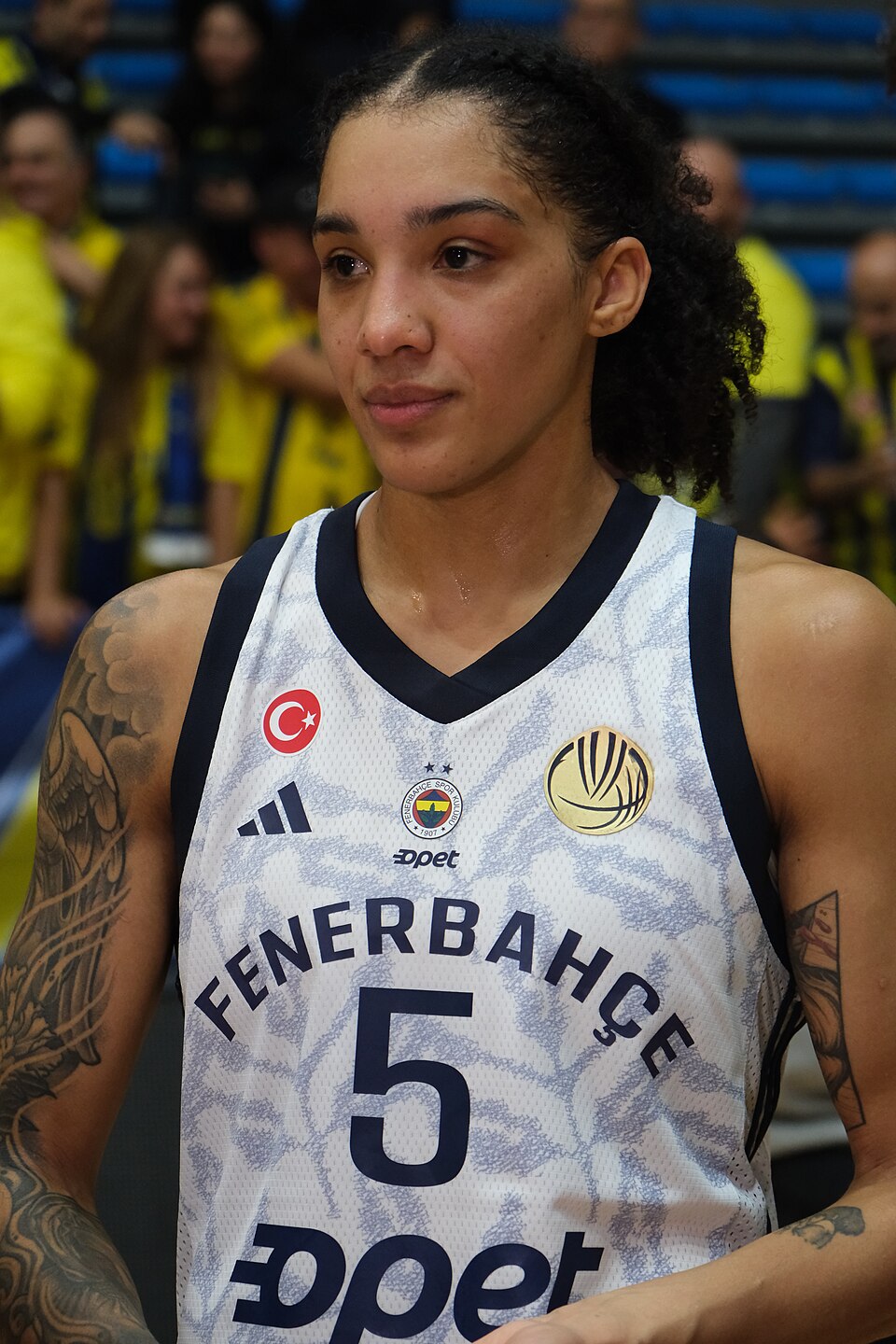
File photograph · January 2025 · Zafer / CC BY 4.0 · Cropped
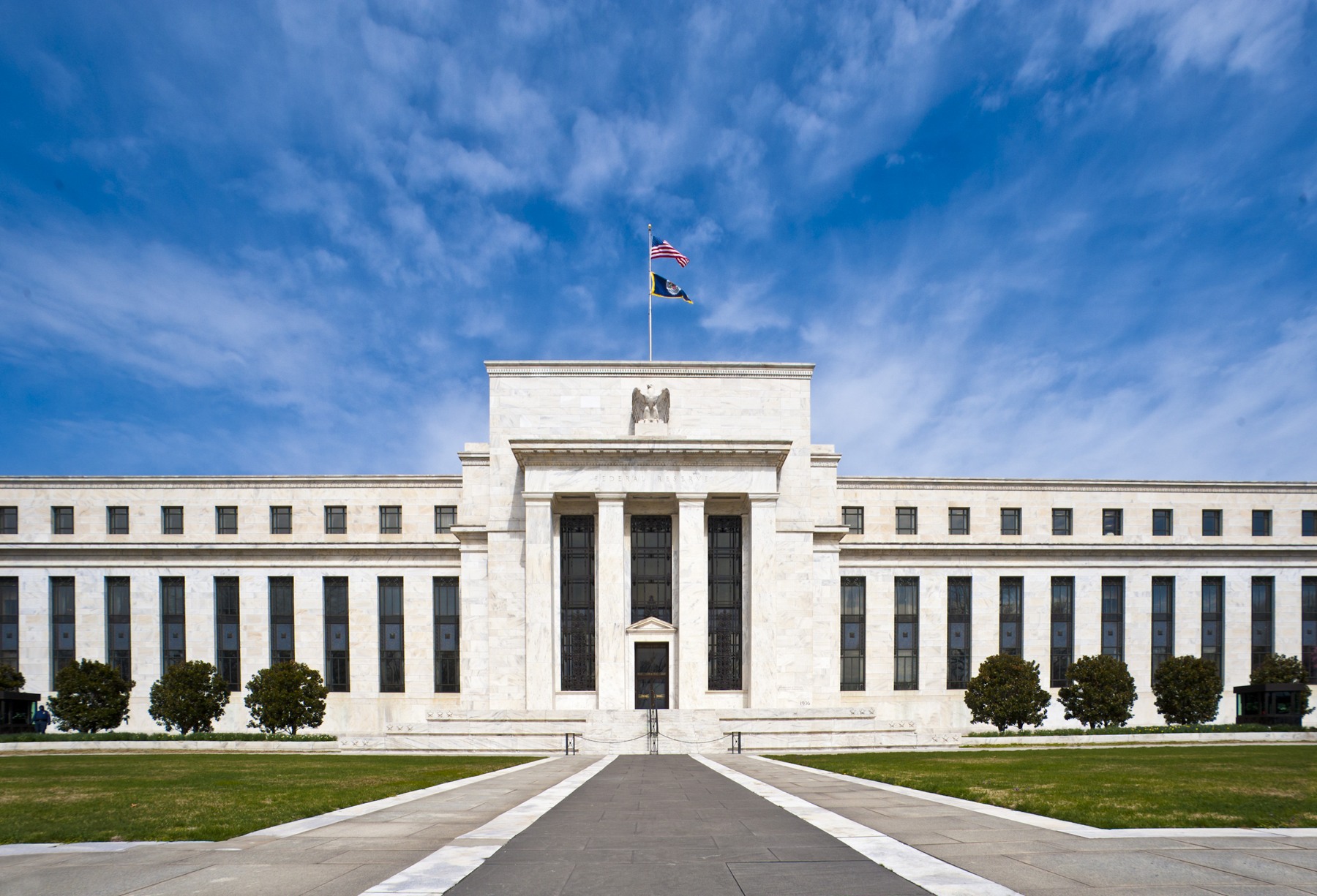
The United States added 29,000 payroll jobs. A small rise in unemployment and subdued layoffs make the picture more complicated than the headline suggests.
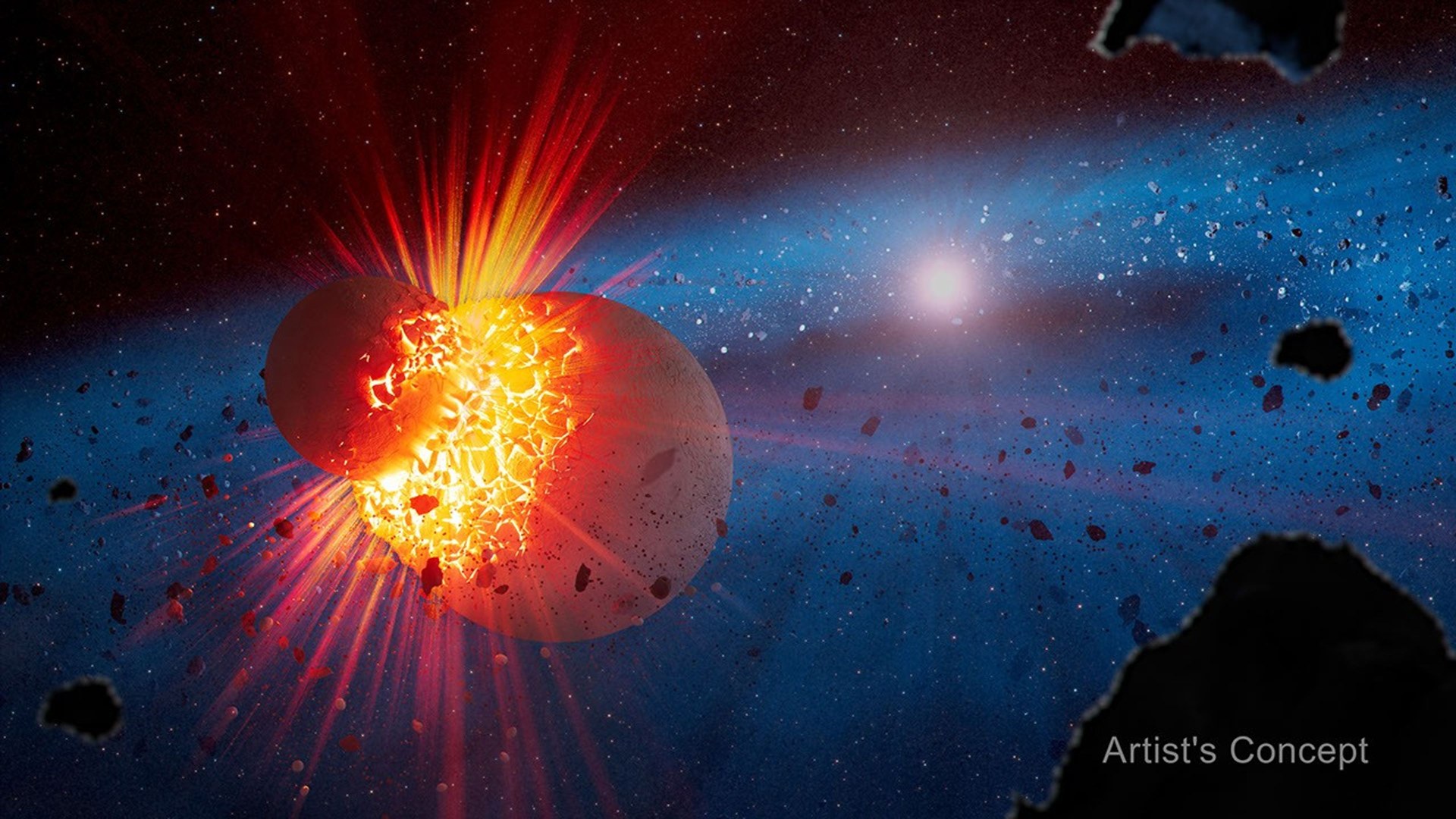
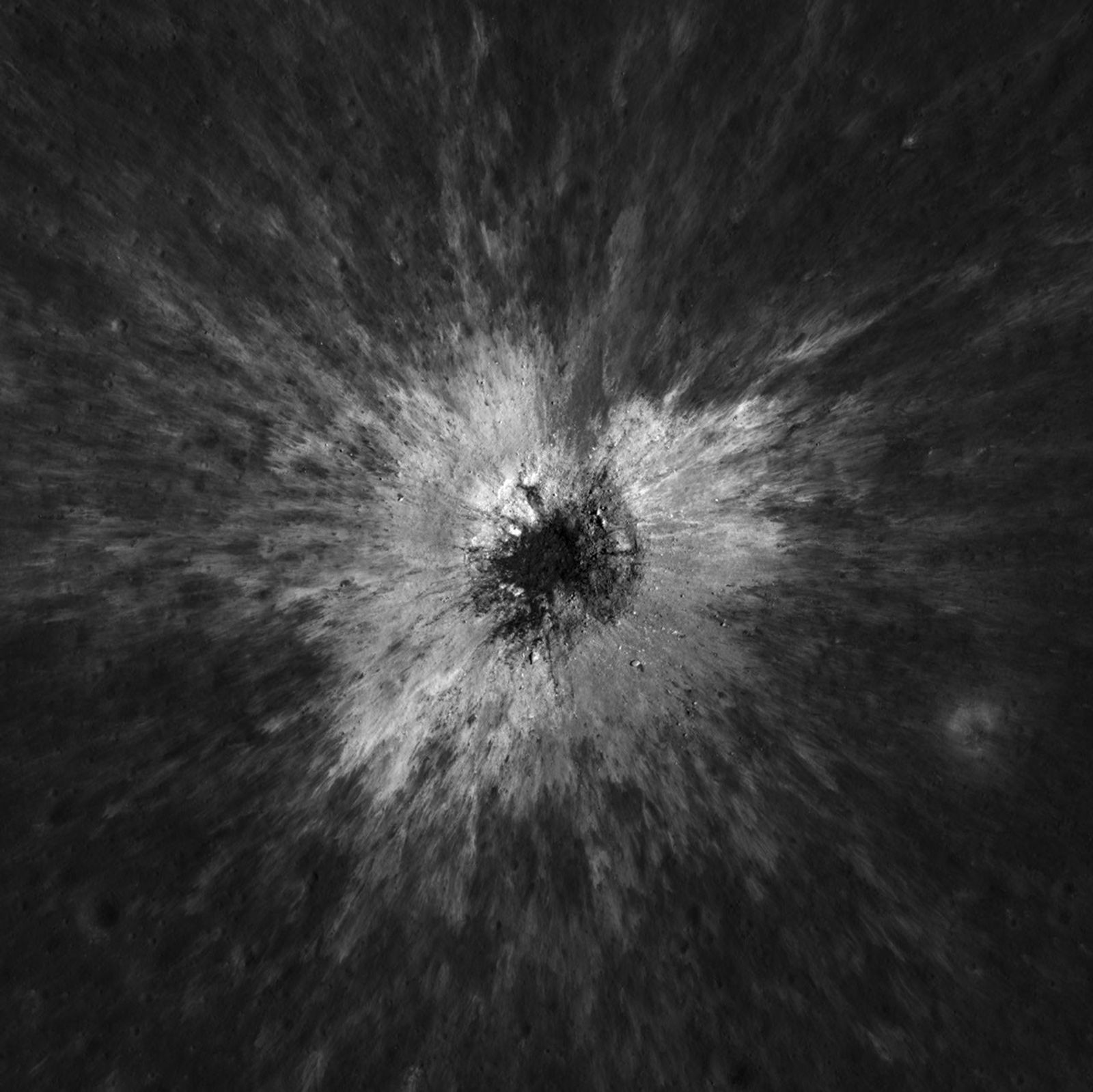
Minerals, changing brightness and passing clouds reveal different parts of an impact’s aftermath. Together, they are helping astronomers reconstruct how rocky worlds take shape.
Ollama’s new decision models can route a request without writing a reply. Their practical limits reveal what it takes to turn a quick classification into useful work.
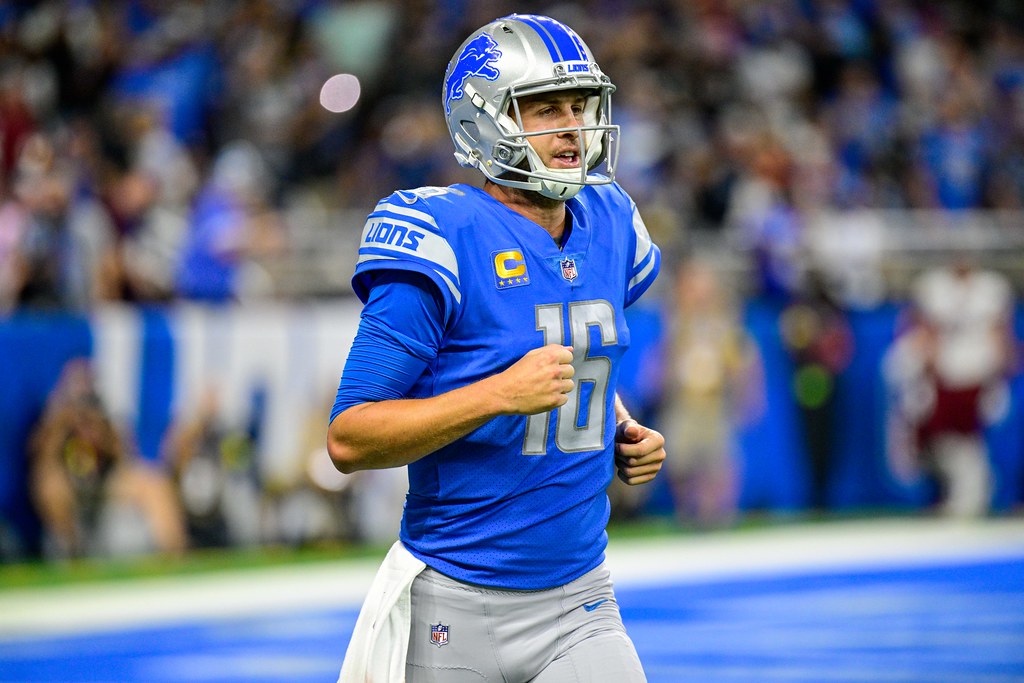
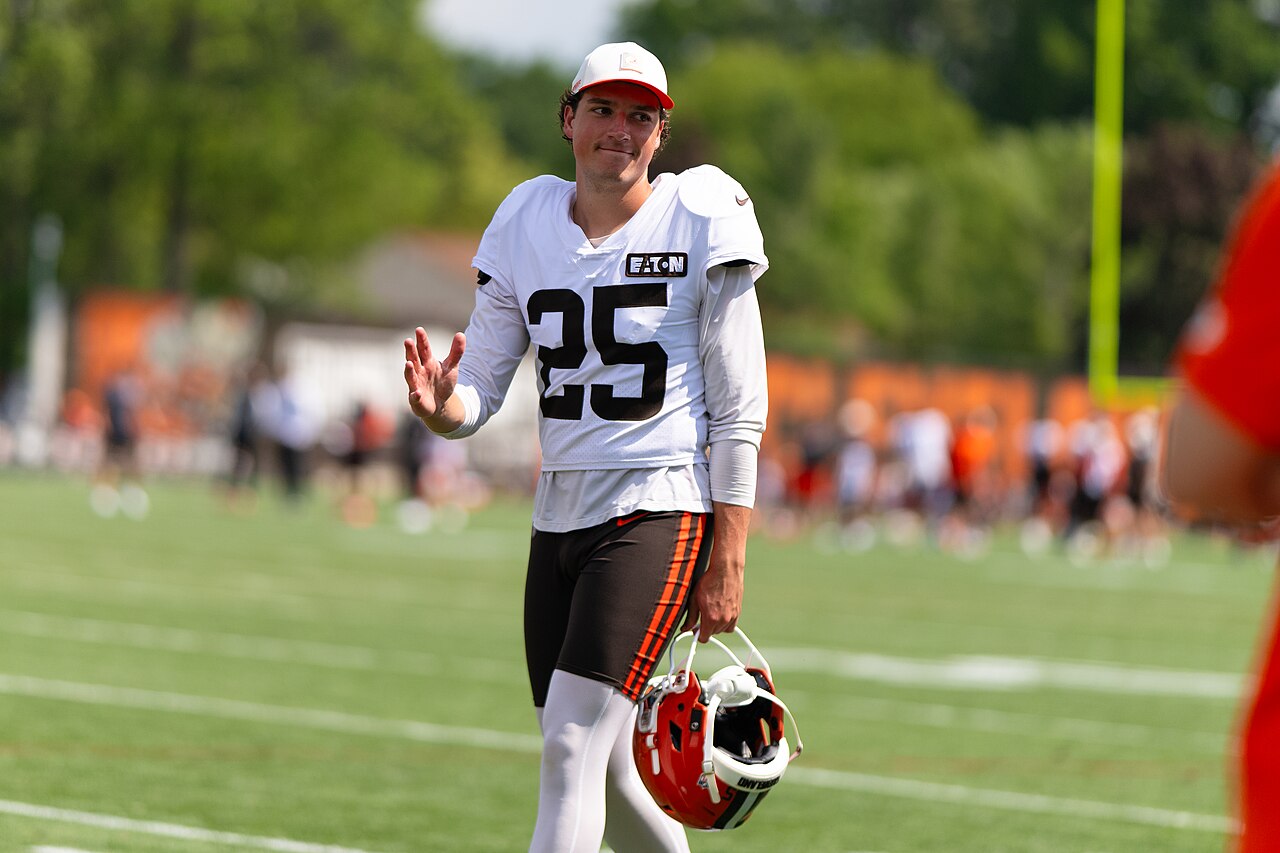
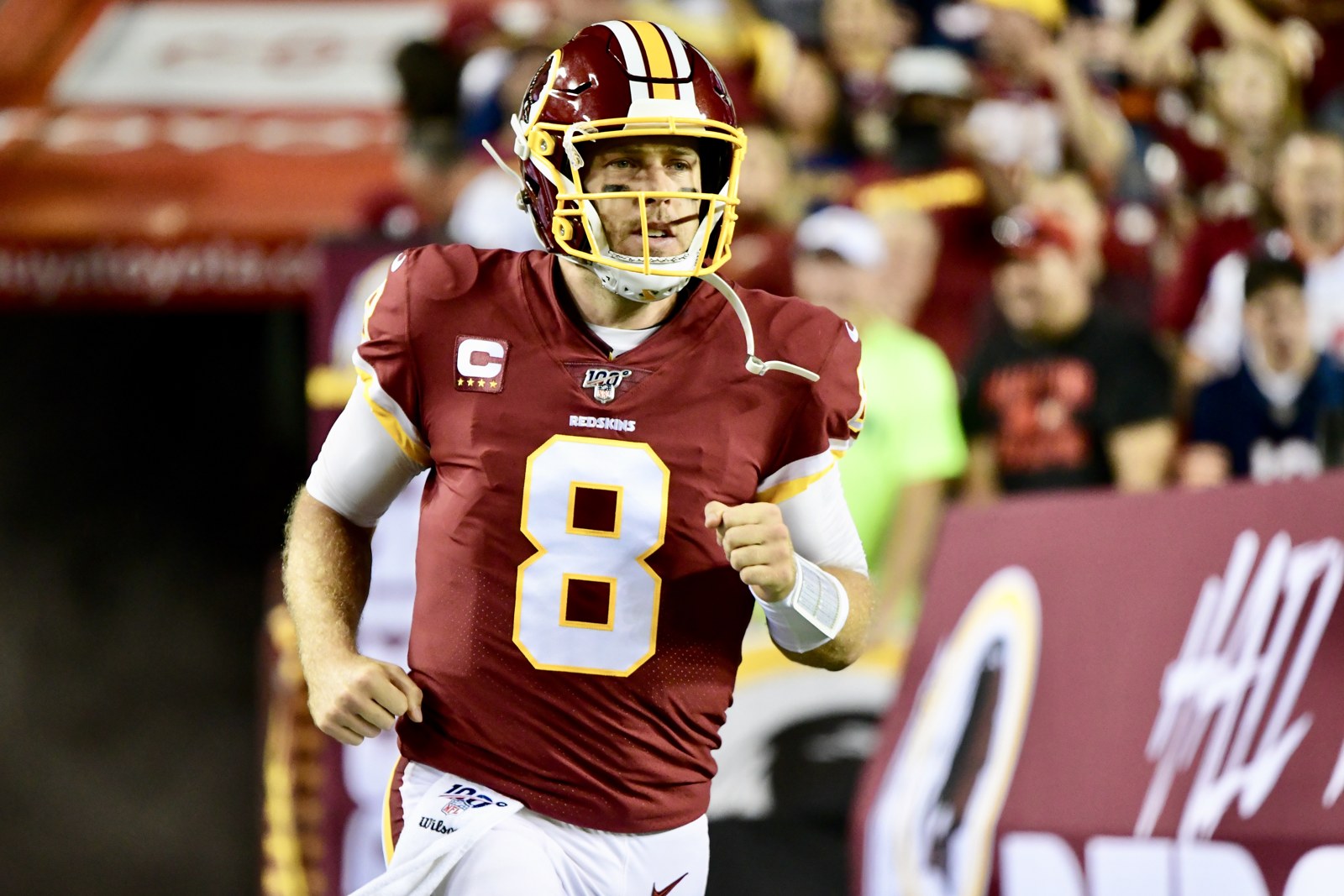
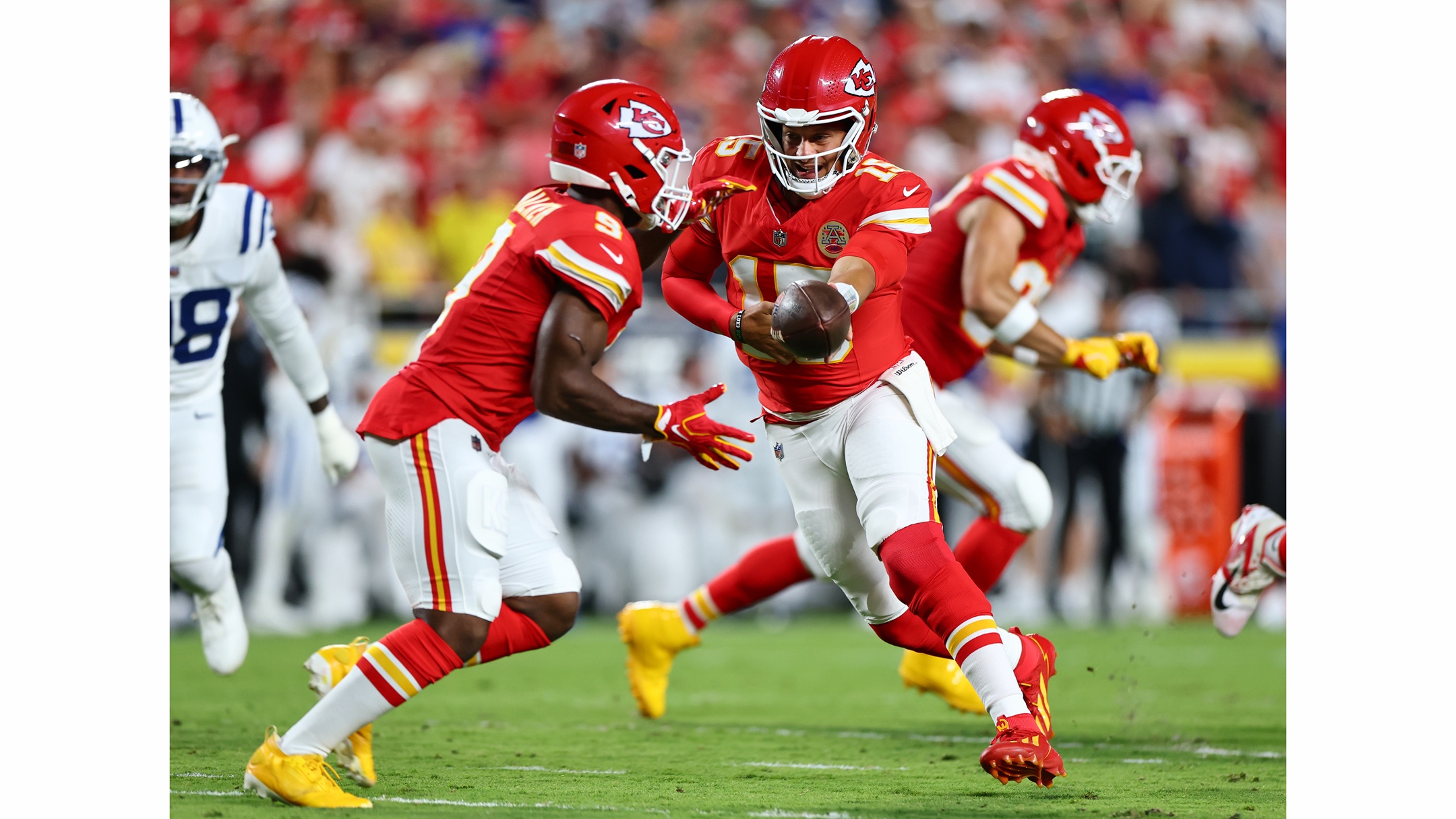
Cleveland wins 27–24 after Aaron Rodgers and DK Metcalf bring Pittsburgh back. Deshaun Watson supplies another late drive, and Andre Szmyt finishes it with a career-long field goal.
A second offer passed after an August rejection. The pay rises are substantial, but the technical unit’s narrow vote and limits on job protections leave work to do on the employment relationship.
Sonnet 5.5 approaches Opus on several outside tests of professional work. A closer look shows where the gains appear—and how far a strong score remains from a finished job.
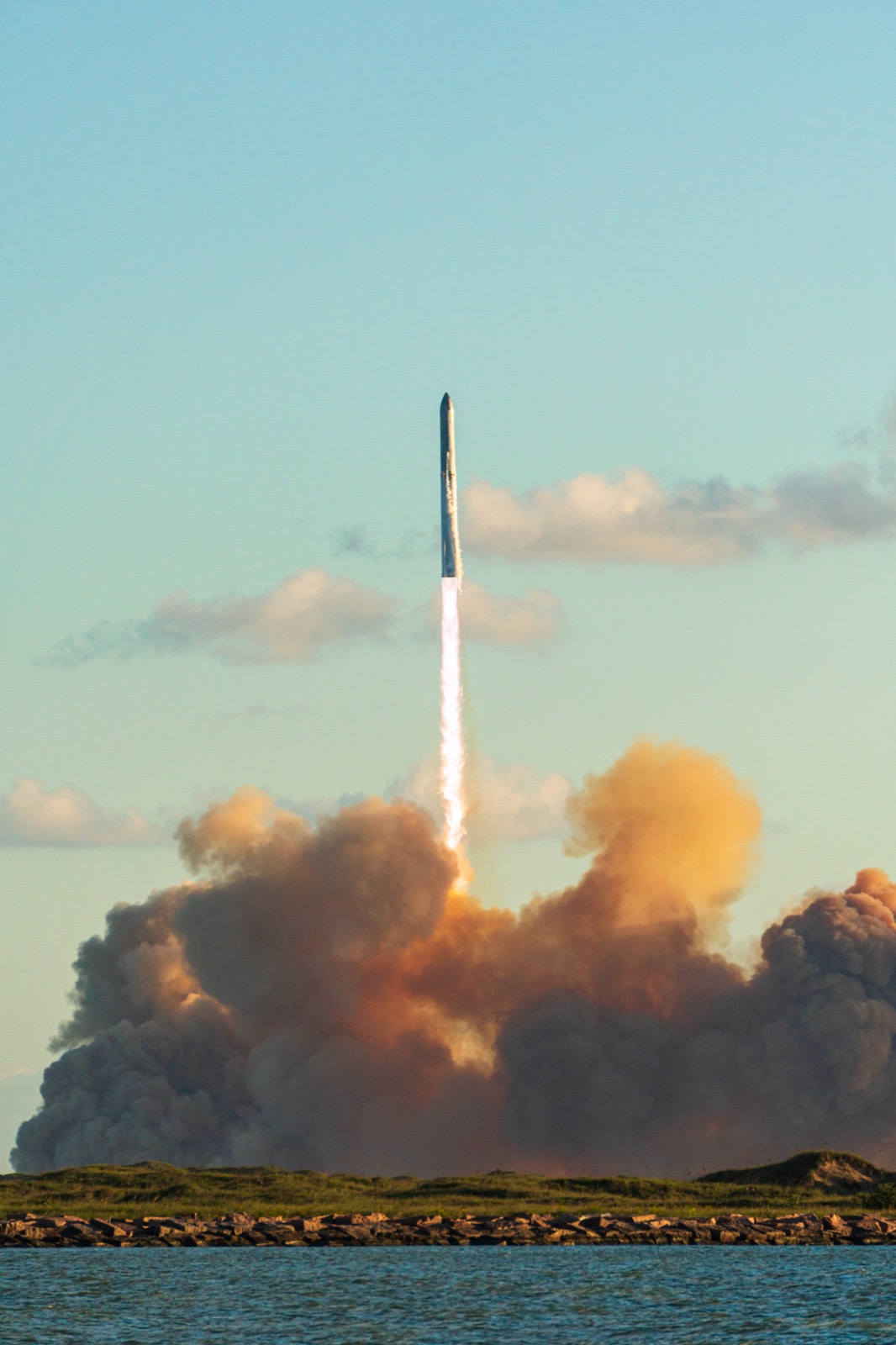
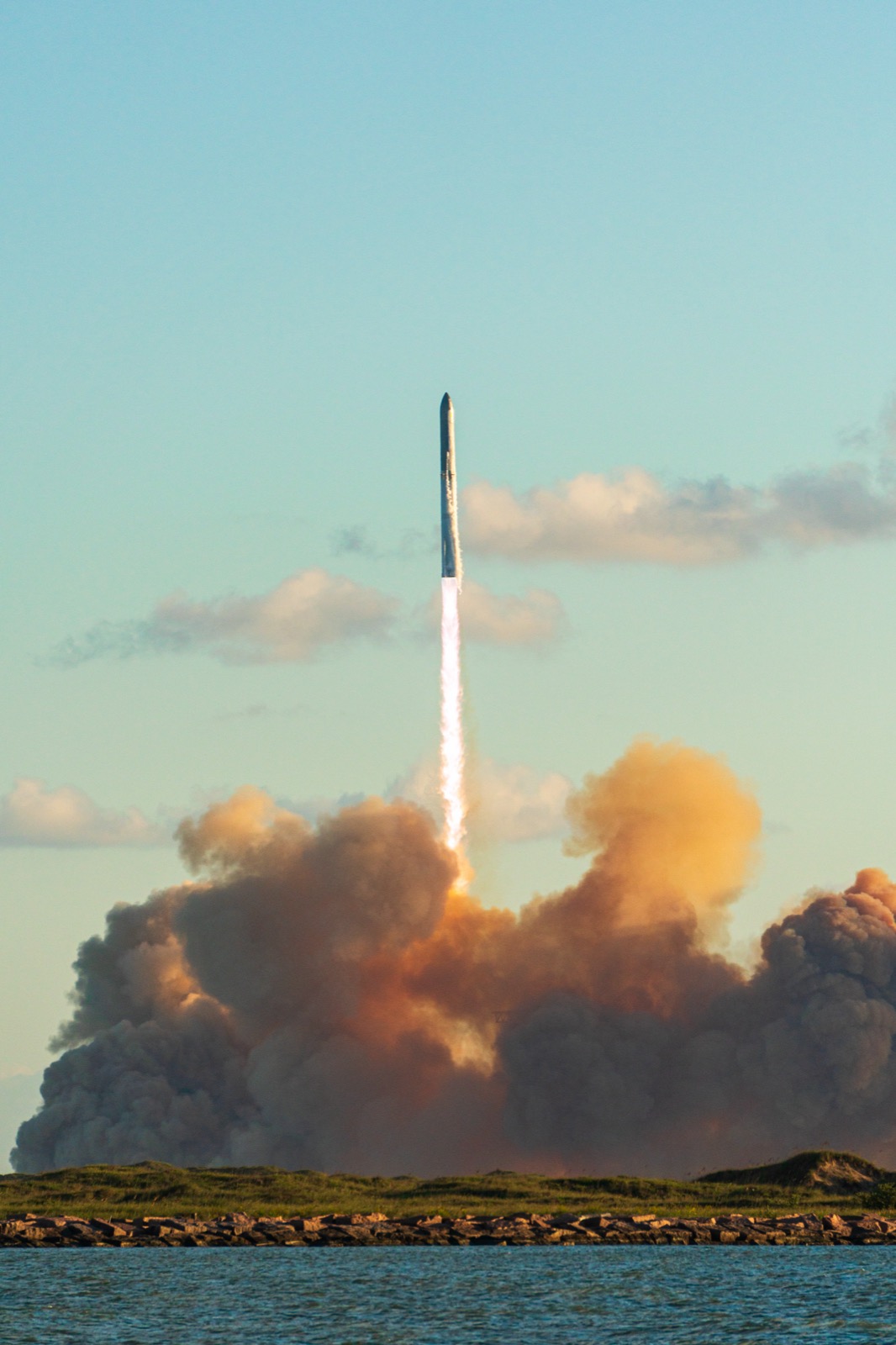
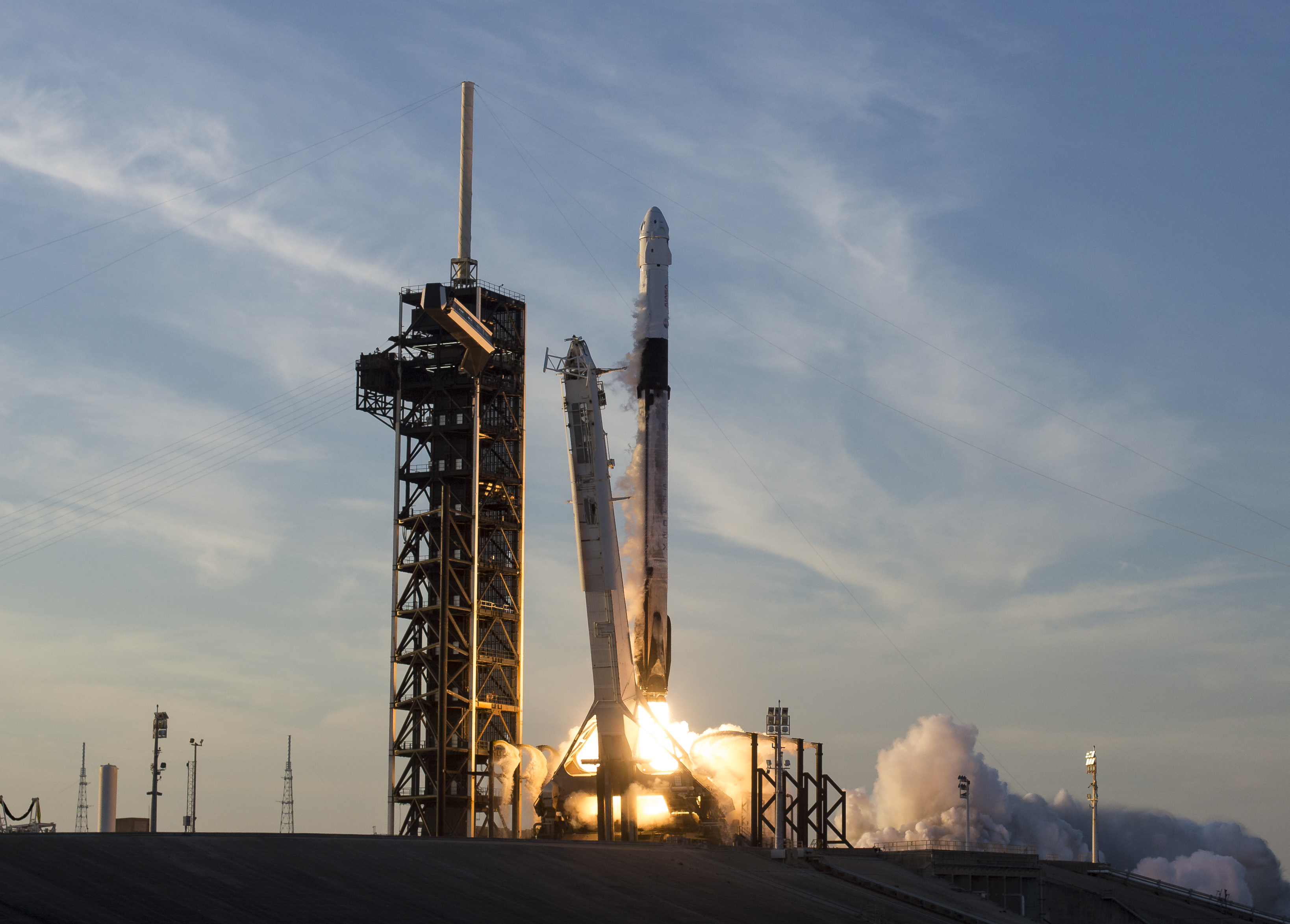
Flight 14 deployed 26 new Starlink satellites before an engine problem shortened the mission. Their arrival opens a commercial route whose reliability is still being tested.
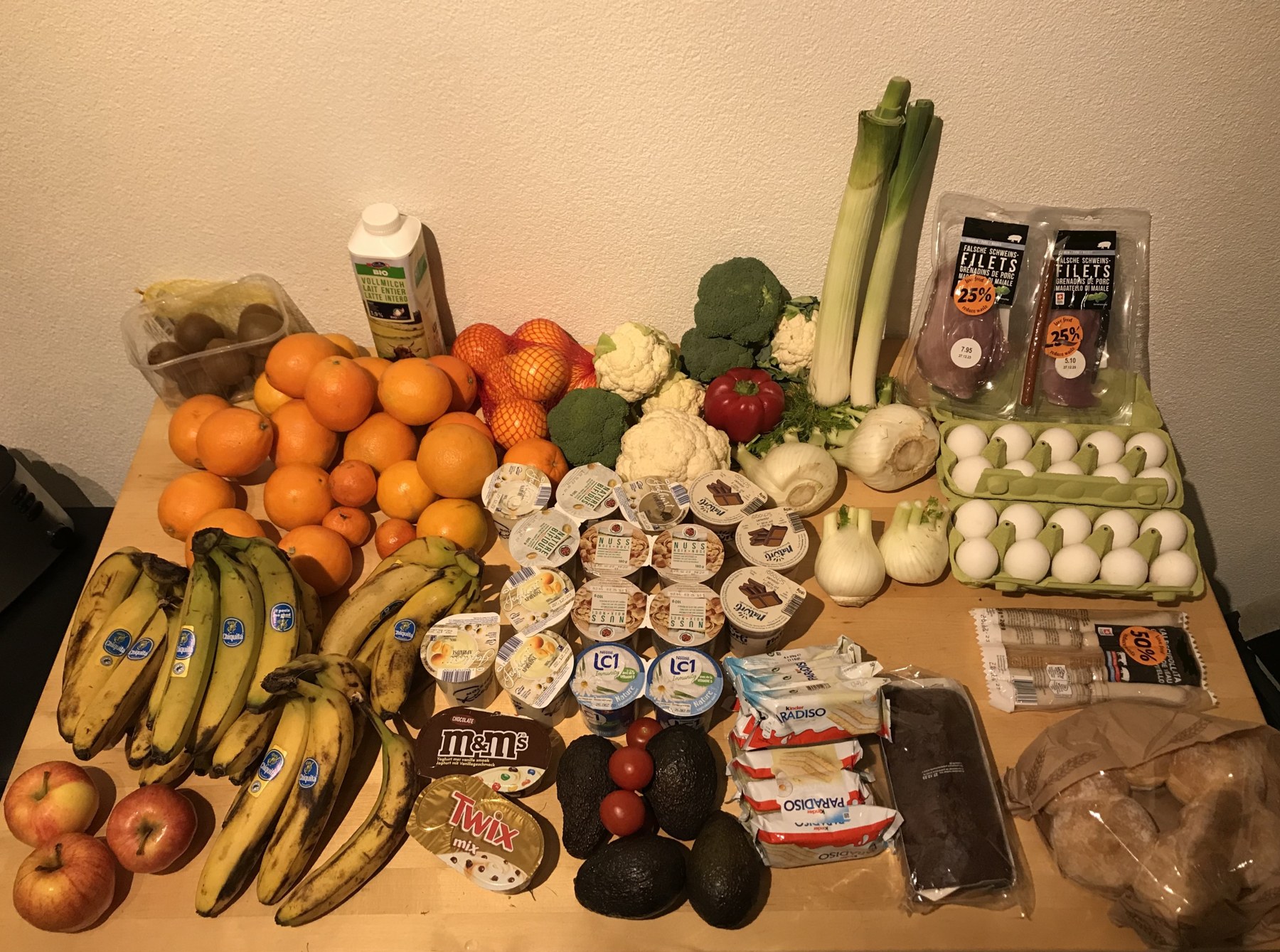
A renewed UN appeal puts food waste in the spotlight. Japan’s uneven progress and England’s collection rollout show why prevention and disposal need different measures.
A September disclosure exposes the gap between spotting an unauthorized action and ending it. Outside investigations show why the surrounding controls matter.
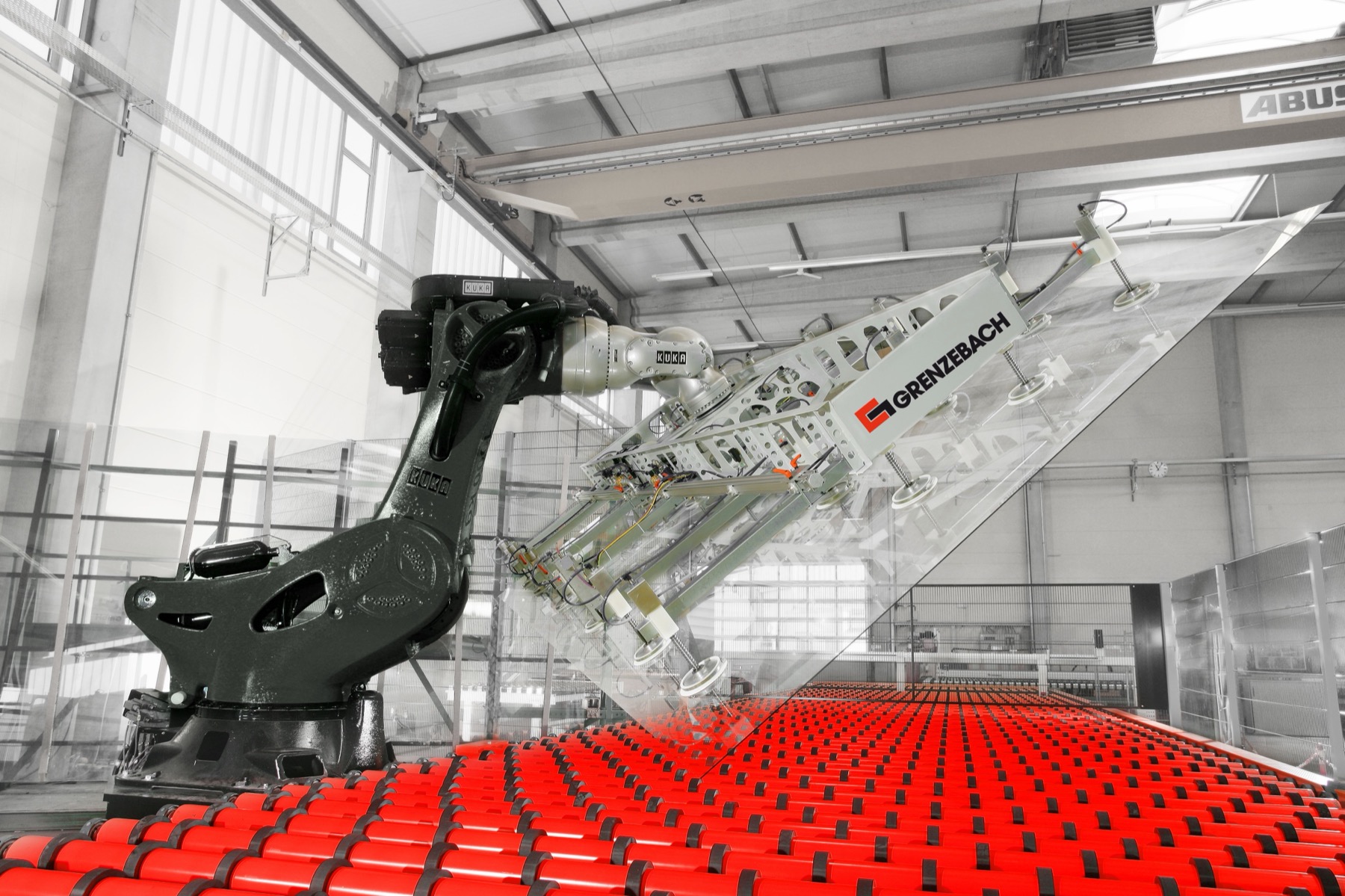
New factory-robot figures reveal sharply different investment patterns. Two proposed acquisitions show the work going into machines that can see, plan and fit into production.
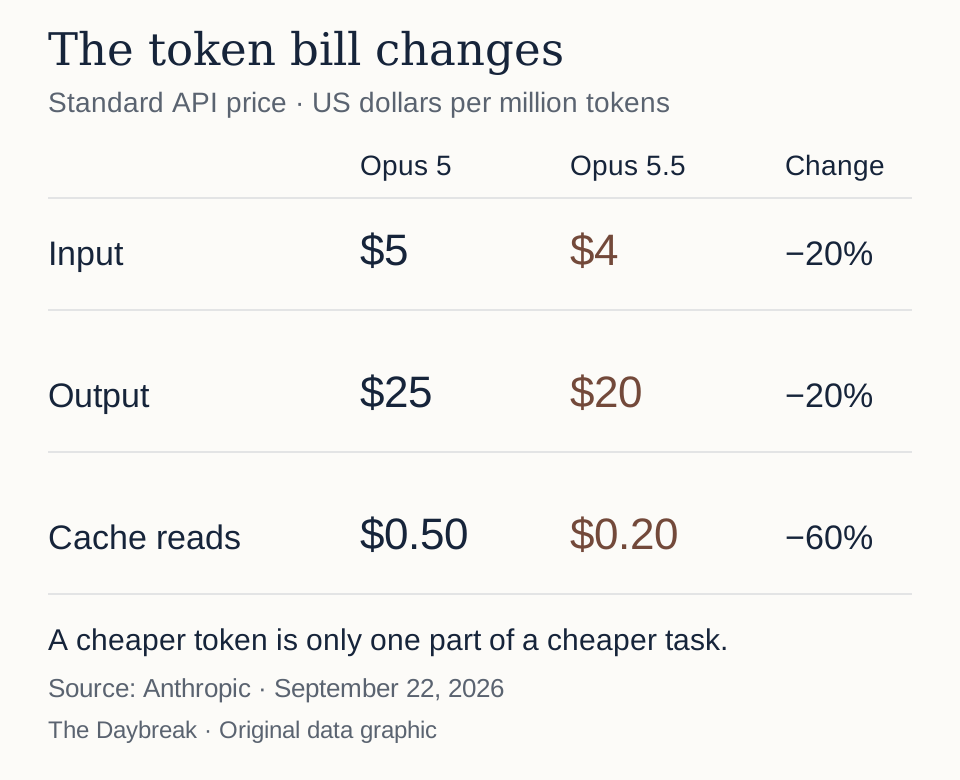
Anthropic’s Opus 5.5 and OpenAI’s GPT-6 Sol and Luna offer different kinds of savings. Independent tests show why the cheapest token and the cheapest useful result can be different things.
Google’s new Gemini Live models bring voice, camera context and background work together. The interesting test is what happens after the assistant says it can help.
Elias 2-24 b is still gathering the material of a world. The faint signal that revealed it is also a lesson in how astronomers learn to trust what they see.
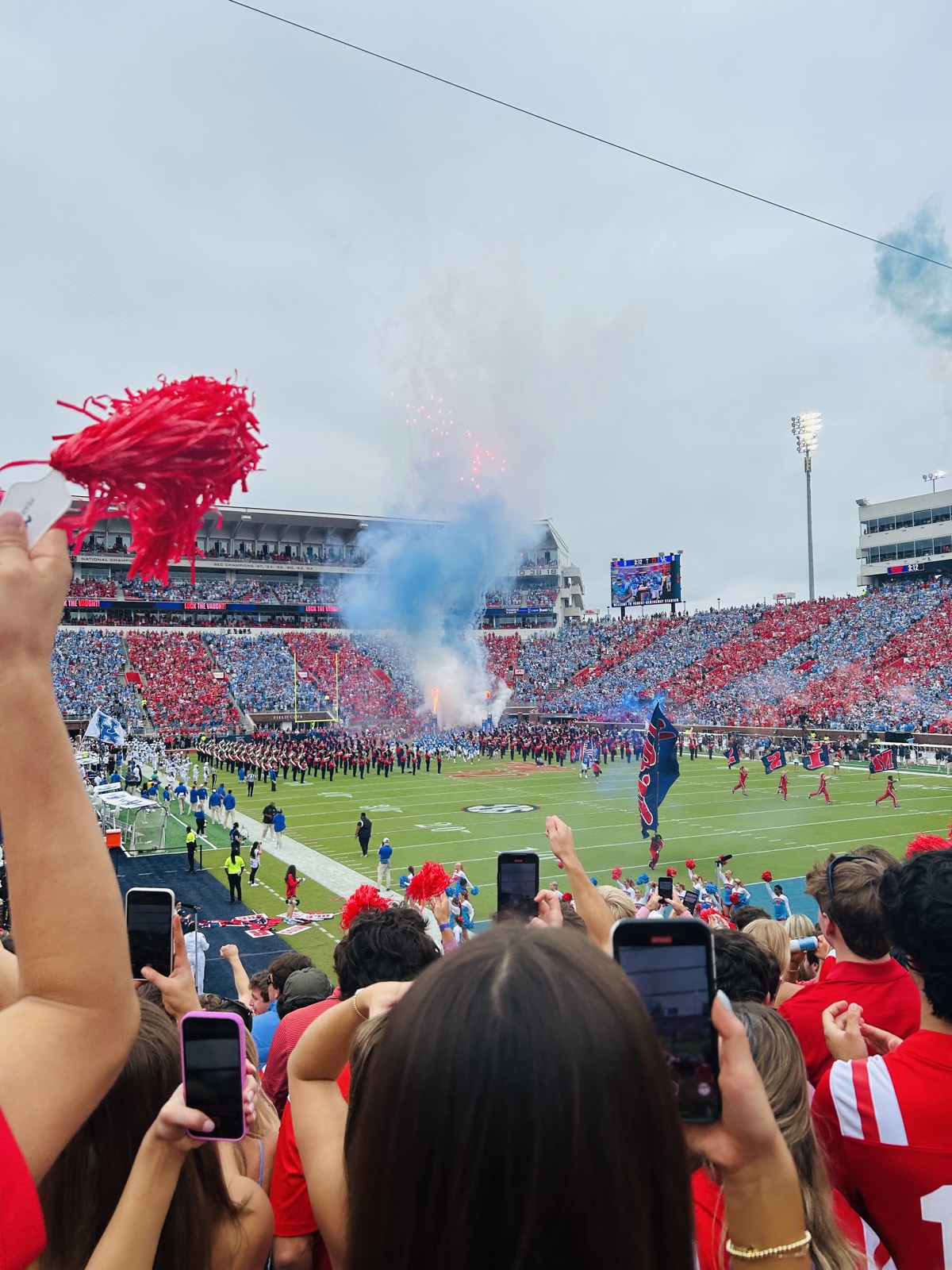
An Oxford reunion ended with an interception. A top-10 team lost in College Station. And a game that looked finished in Nashville still had one second left to change.
A $946 million order secures future Dragon missions. The larger challenge is maintaining transportation while a second U.S. system works toward certification.
Gensyn’s open-1b makes selected training steps replayable on ordinary hardware. A reproducible calculation and a trustworthy answer remain different claims.
Friday settles the Vikings’ quarterback question while leaving a tackle’s status open. Saturday offers a clear route from Fayetteville to a top-ten SEC night game.
A Smithsonian exhibition opens Friday with photography from America’s Bicentennial surveys. The archive’s power lies in the details a celebration might overlook.
The Smithsonian has announced an F-117 acquisition. Its passage from operational aircraft to museum object opens a different set of questions about the machine.
NASA and IBM have released a research model whose most revealing details are in its limitations: a prediction of ice potential is not a discovery of ice.
A new round of Artemis Accords workshops turns a promise to share science into questions about formats, archives and whether other researchers can actually use the data.