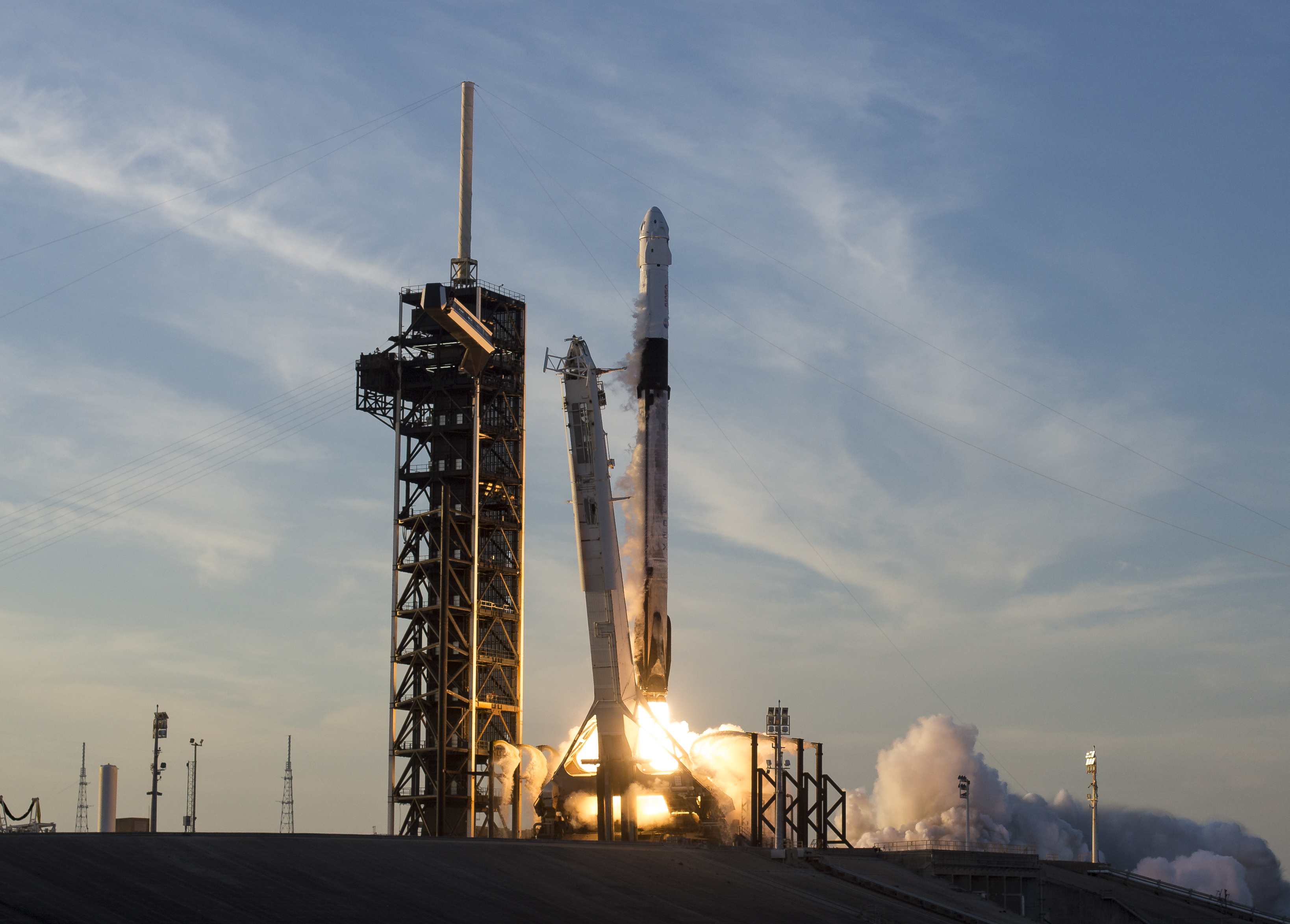
NASA’s latest purchase of astronaut transportation reaches well beyond the moments a rocket leaves the ground. The agency announced Friday that it is buying three additional SpaceX missions, a $946 million package that includes operations in orbit, return and recovery, cargo carriage and a lifeboat capability while a spacecraft is docked. The purchase is for Crew-15, Crew-16 and Crew-17, with readiness dates in 2027 and 2028 and a performance period extending through 2030. It brings SpaceX’s Commercial Crew Transportation Capability contract to 17 missions and $5.92 billion.[1]
Read as an operating commitment, that package has a different meaning from three launch reservations. Transportation must remain usable between launches, including when the next mission slips. A seat delivered to orbit is only part of the service; a safe way home and a dependable succession of crews are part of the same problem. That distinction is the central operational implication of buying complete missions rather than comparing rockets by their launch prices alone.
Two contracts, different stages of readiness
The independent oversight picture explains why continuity is receiving such attention. In its June 30 assessment of Commercial Crew, NASA’s inspector general described Crew Dragon as certified since 2020 while Starliner remained uncertified after three flight tests exposed unresolved problems. That is a dated audit finding, not a new September certification decision. But it establishes the condition against which claims about two-provider resilience must be judged: signing with two companies and possessing two routinely usable transportation systems are different achievements.[2]
A September 10 overview from the inspector general added an uncomfortable financial consequence. NASA had already spent money accelerating SpaceX missions originally intended for Boeing. It also described workforce constraints, ambiguous mishap-reporting requirements and limited time to extract value from Starliner before the station’s planned retirement. These are the oversight office’s findings, separate from the program’s account of its procurement. Together they make schedule flexibility a tangible resource, with costs that surface elsewhere when one vehicle cannot fly as expected.[3]
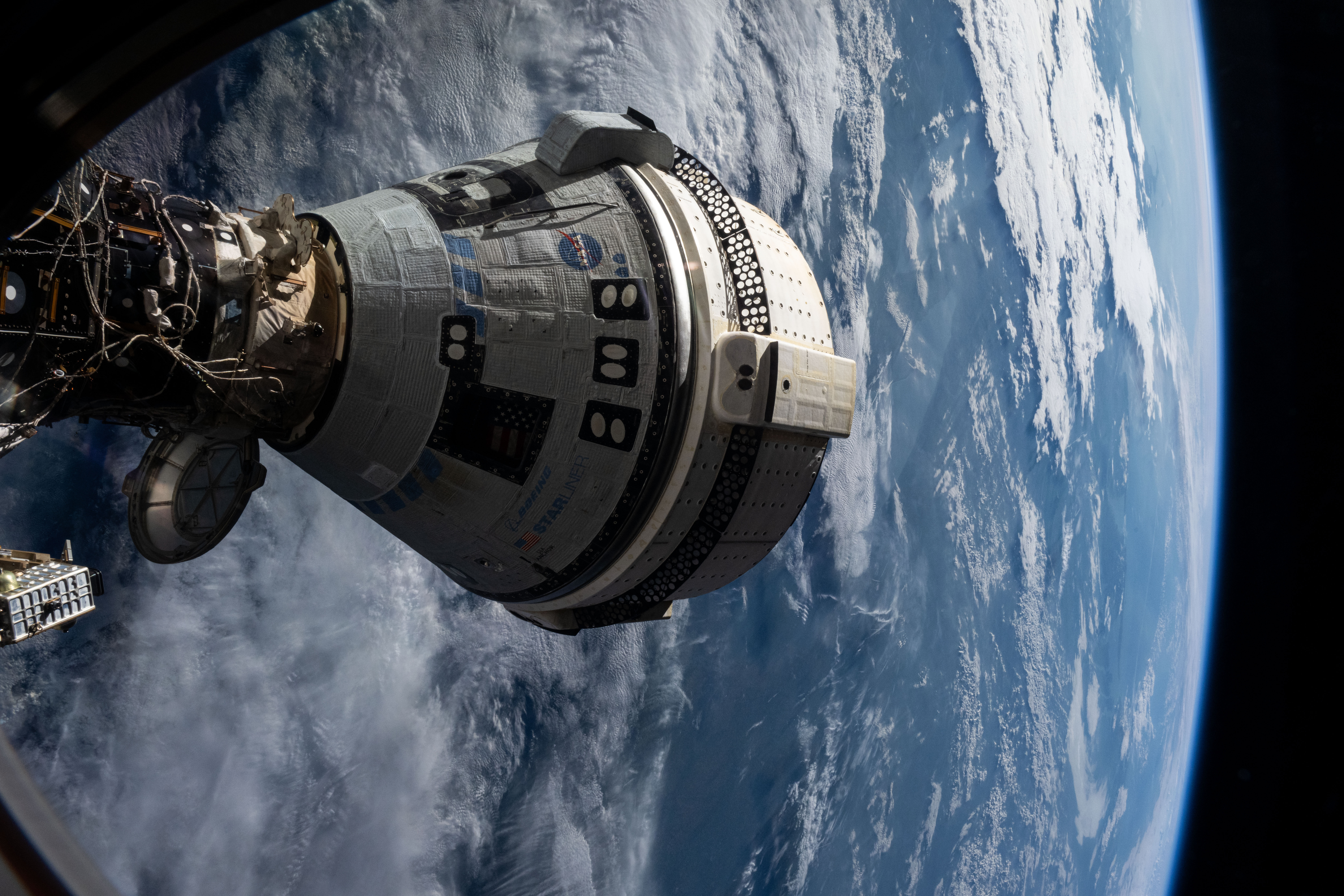
Image details
Original photograph; no generative alteration. Cropped in front-page previews; full proportions in article.
The most revealing photograph in that history places the two vehicles in the same scene. Starliner was photographed at the station in July 2024 from a window aboard Dragon Endeavour. Physical arrival was a substantial milestone. It was not the end of the safety demonstration. NASA’s February investigation release described propulsion anomalies during the crewed test, an extended stay and the decision to bring the spacecraft back without its two astronauts. Butch Wilmore and Suni Williams returned aboard the Crew-9 mission in March 2025.[4]
NASA’s investigation also identified organizational and cultural contributors alongside hardware and qualification problems. That combination matters because a backup can lose its value if the desire to have it available changes the standard used to accept it. The useful response is to preserve a credible alternative while keeping each flight decision tied to the evidence. More transport capacity can create room for careful decisions; it cannot substitute for them.[4]
A service still requires an informed customer
Commercial Crew deliberately changed the government’s relationship with the hardware. NASA’s program overview describes companies owning and operating their systems, with the agency setting requirements and providing engineering insight rather than owning every element itself. The contractor has room to choose how to meet the requirement. The customer still needs enough visibility to judge whether the promised capability exists. That makes access to technical evidence, test results and training information part of the operating model, not an administrative afterthought.[5]
The distinction is familiar in any complex outsourced service. A contract can transfer the work without transferring every consequence of interruption. If the service is essential, the buyer remains responsible for deciding how much reserve capacity is needed, which failures can be tolerated and what happens when an assumption becomes false. For a permanently occupied orbital laboratory, those decisions connect transportation to the research calendar, maintenance workload and the ability to respond when equipment or people need attention.
NASA and Boeing had already revised Starliner’s contract in November 2025. The definitive order became four missions, with two additional options; the next flight was described as an uncrewed cargo and validation mission, followed by as many as three crew rotations after successful testing and certification. That announcement’s April 2026 target was conditional and should not be treated as a current launch date. Its enduring significance is the separation of demonstration work from the operational flights that would follow it.[6]
The nearer flight is already becoming concrete
While procurement looks years ahead, Crew-13 is preparing for a much nearer departure. NASA reported that its four crew members entered quarantine late Thursday, with an early October launch being targeted. Jessica Watkins, Luke Delaney, Joshua Kutryk and Sergey Teteryatnikov have completed training that included suit checks, seat fit and communications inside their spacecraft. The account even notes familiarization with the sounds of Dragon’s fans and pumps. Those details bring the service contract down to its human scale: people preparing to inhabit a particular machine.[7]
Quarantine is another form of schedule protection, aimed at reducing the chance that illness appears before or during flight. The preparation sequence shows why readiness is more than a finished rocket. Crew health, equipment fit, communications and knowledge of the cabin must come together. A mission can have an announced window while work remains; a window is a planning statement rather than proof that every condition has been cleared.[7]
There are consequently several measures worth keeping separate as the new missions approach. Procurement establishes that NASA has ordered capacity. Certification establishes that a system meets the agency’s requirements. Mission readiness addresses the particular vehicle, crew and circumstances of a flight. Sustained performance then shows how well the service works over time. Collapsing these into a single count of purchased missions makes the transportation picture look simpler than it is.[5]
Friday’s award provides a concrete piece of the future schedule. The harder achievement will be preserving choice: enough dependable transportation to keep the station working, enough flexibility to absorb delays, and enough independence in safety decisions to let unfinished work remain unfinished. The real return on additional capacity is not merely another departure. It is a program that can keep doing its work without having to make the next departure carry every unresolved risk.
Sources & further reading
Original reporting and research behind this article.
- NASA: three additional SpaceX crew missionsSep 18, 2026
- NASA OIG: management of Commercial CrewJun 30, 2026
- NASA OIG: crew and cargo transportation oversightSep 10, 2026
- NASA: Starliner crewed-flight investigationFeb 19, 2026
- NASA: Commercial Crew operating modelAug 25, 2026
- NASA: Boeing contract modificationNov 24, 2025
- NASA: Crew-13 enters quarantineSep 17, 2026