
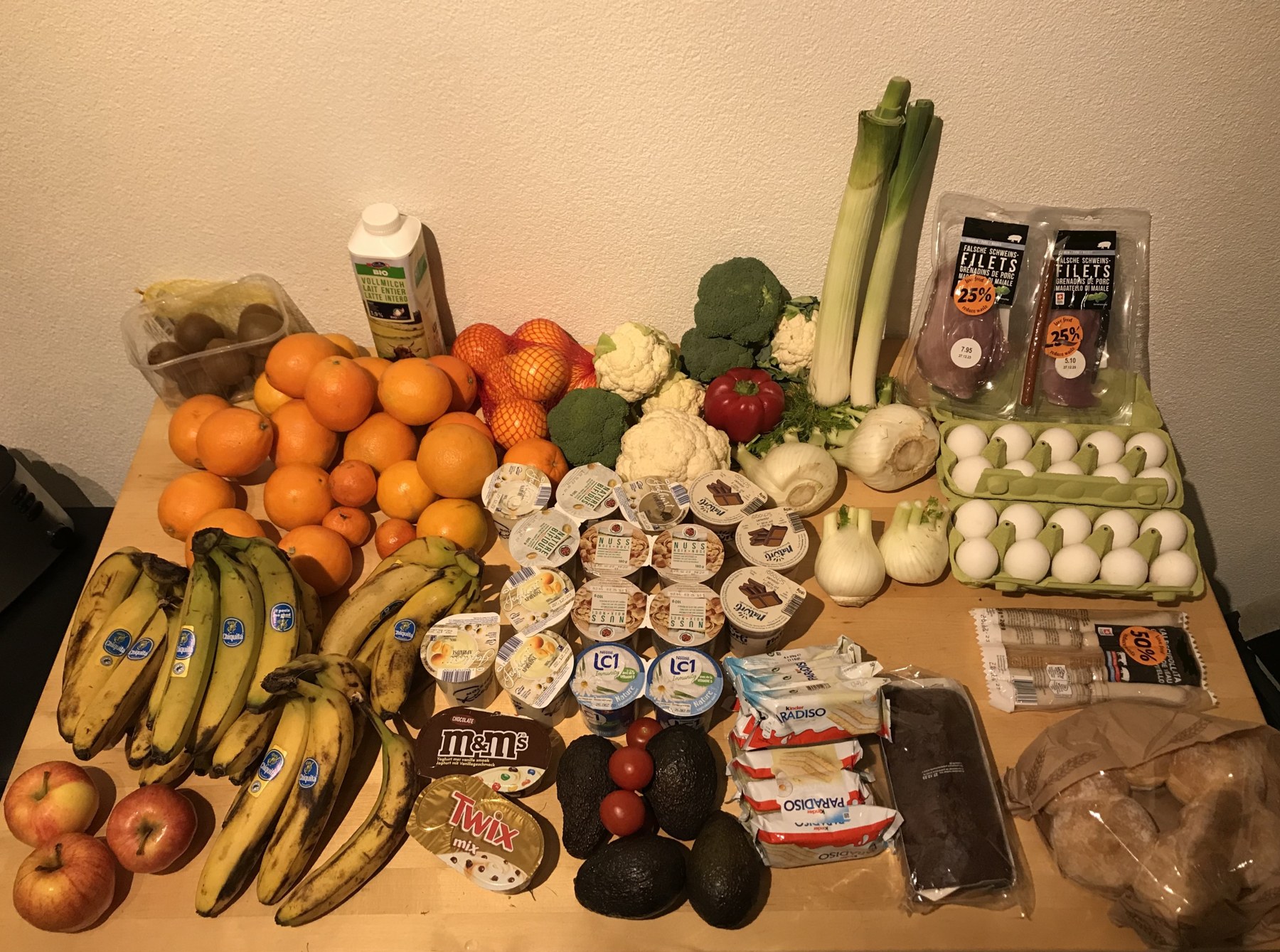
A kitchen caddy can keep leftovers out of a landfill. It cannot recover the land, water and energy used to produce a meal that nobody ate. That distinction runs through the evidence behind a renewed UN appeal on food waste: better disposal can reduce the damage, while preventing waste reaches further back through the food system.[1][3]
In a September 28 appeal ahead of today’s International Day of Awareness of Food Loss and Waste, the UN Environment Programme urged faster action on discarded food and methane. The observance’s Rome agenda connects wasted food with pressure on forests and agricultural land. The underlying measurements, however, come from different years and count different things.[1][2]
Consider Japan. Its agriculture ministry’s latest estimates, released in June, put food loss at 4.61 million metric tons in fiscal 2024, down 30,000 tons from the previous year. Yet the business component rose by 60,000 tons to 2.37 million. A falling national total and a worsening commercial result can occur together. A single percentage reduction conceals that movement.[5]
Why food is a disproportionate landfill problem
Once buried in a landfill, food can decompose without oxygen and produce methane. It breaks down relatively quickly, which creates a timing problem: much of the gas can escape before a landfill’s collection system is in place or operating effectively. Capturing gas later does not retrieve what has already escaped.[4]
The U.S. Environmental Protection Agency’s 2023 modeling study estimated that food accounted for about 24 percent of material disposed of in municipal solid-waste landfills but 58 percent of their fugitive methane emissions. Those figures describe a modeled U.S. system, drawing on a 1990–2020 study period. They are neither a fresh measurement of every landfill nor a global estimate for 2026.[4]
The difference between those two shares explains the attention to food even where it is not most of the rubbish by weight. A waste program can make progress on methane by diverting a relatively small part of the total material stream. That does not establish the climate benefit of any particular collection scheme; the treatment route still matters.[4]
EPA’s Wasted Food Scale ranks prevention, donation and upcycling among the most environmentally preferable options. Landfilling, incineration and disposal down the drain sit at the bottom. Composting and anaerobic digestion offer other routes, with the latter producing biogas and material that can return nutrients to soil. The ranking assesses environmental effects rather than the full economic or social case for each option.[3]
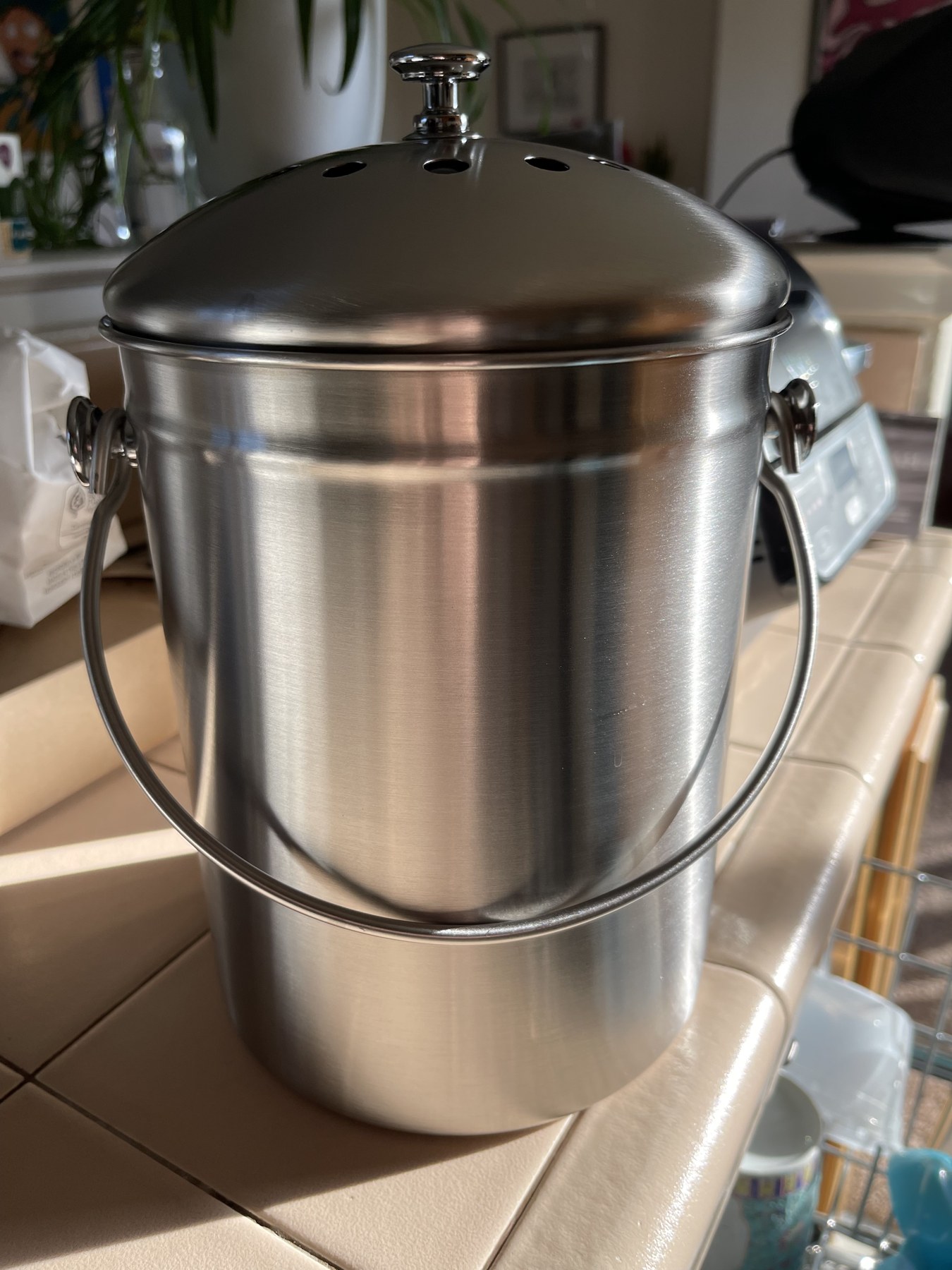
Image details
Proportional resize and JPEG compression; no crop or generative alteration.
A collection service is only part of the change
England’s Simpler Recycling guidance required weekly household food-waste collection from March 31 this year, while allowing transitional arrangements for some authorities. It identifies anaerobic digestion as the preferred treatment for separately collected food. That means the kitchen container is the beginning of a public service: collection, transport and an appropriate destination have to follow.[7]
The practical rollout can differ even within one council area. Luton’s current guidance describes weekly food-waste collection for houses using kerbside bins, while saying the service for flats and communal properties will follow in the coming months. A resident’s ability to separate scraps therefore depends partly on the service available to their building.[8]
The household decisions preceding disposal have their own pressures. In WRAP’s survey published in March, 80 percent of respondents said they bought larger packs for perceived value, while 62 percent chose smaller packs to suit household size. These are overlapping behaviors, not rival groups. A shopper can care about both the unit price and whether the household will finish the food.[6]
WRAP surveyed 5,509 UK adults responsible for food shopping or preparation online in June and July 2025. Its results describe reported behavior and attitudes, rather than weighed national waste. Eight in ten respondents believed their household wasted less than average. That finding helps explain why a general appeal to waste less may not feel personally relevant, even when discarded food is common.[6]
What belongs in the total
The UN’s Food Waste Index uses a deliberately broad measure. Its 2024 report estimated 1.05 billion metric tons discarded by retailers, food services and households in 2022, including inedible parts such as bones, rinds and pits. Keeping those materials in the count makes sense when measuring the stream that collection systems must manage. It does not mean every ton could have become a meal.[9]
Japan’s food-loss measure, by contrast, concerns food that could originally have been eaten. Its business estimate for fiscal 2024 was 57 percent below the fiscal 2000 baseline, despite the most recent annual increase. The ministry identifies changes to delivery deadlines and best-before periods, donations and taking restaurant leftovers home among its measures. The long-run decline is substantial; the latest figures show that continuing progress cannot be assumed.[5]
Those definitions matter when evaluating a promise to cut waste. Less edible food discarded, less material sent to landfill and less methane emitted are related outcomes, but they require different measurements. A collection scheme can move scraps out of general rubbish without changing how much food a supermarket sells unnecessarily or a household leaves uneaten.[3][9]
For households, the tension is visible before the bin is opened: a larger pack can look cheaper while supplying more than will be used. WRAP’s findings put that choice alongside the availability of suitable pack sizes and proportional pricing. Businesses and governments also need to measure food avoided as well as waste collected.[6]
Sources & further reading
Original reporting and research behind this article.
- UNEP’s September 28 call on wasted food and methanePublished 2026-09-28
- Today’s UN food-loss and waste observanceChecked September 29, 2026
- EPA’s environmental ranking of food-waste pathwaysChecked September 29, 2026
- EPA’s landfill-methane modeling studyChecked September 29, 2026
- Japan’s fiscal 2024 food-loss estimatesPublished 2026-06-30
- WRAP’s 2025 household survey, published in 2026Published 2026-03-09
- England’s household recycling guidancePublished March 27, 2025; updated May 13, 2025
- Luton’s household recycling rolloutChecked September 29, 2026
- Food Waste Index 2024: definitions and estimatesPublished 2024-03-27
THE DAYBREAK / THE MORNING LETTER
A little more understanding,
every morning.
The day’s selected stories, the context behind them, and a deeper read. A considered start to your day, delivered to your inbox.
See what’s inside