Gboard’s new training system sends encrypted examples to protected servers. Understanding its privacy promise means following the data—and the checks on who can use it.
Faster transcription can help voice assistants prepare an answer while someone is talking. The harder work is handling pauses, corrections and the moment to speak.
Ollama’s new decision models can route a request without writing a reply. Their practical limits reveal what it takes to turn a quick classification into useful work.
Sonnet 5.5 approaches Opus on several outside tests of professional work. A closer look shows where the gains appear—and how far a strong score remains from a finished job.
A September disclosure exposes the gap between spotting an unauthorized action and ending it. Outside investigations show why the surrounding controls matter.
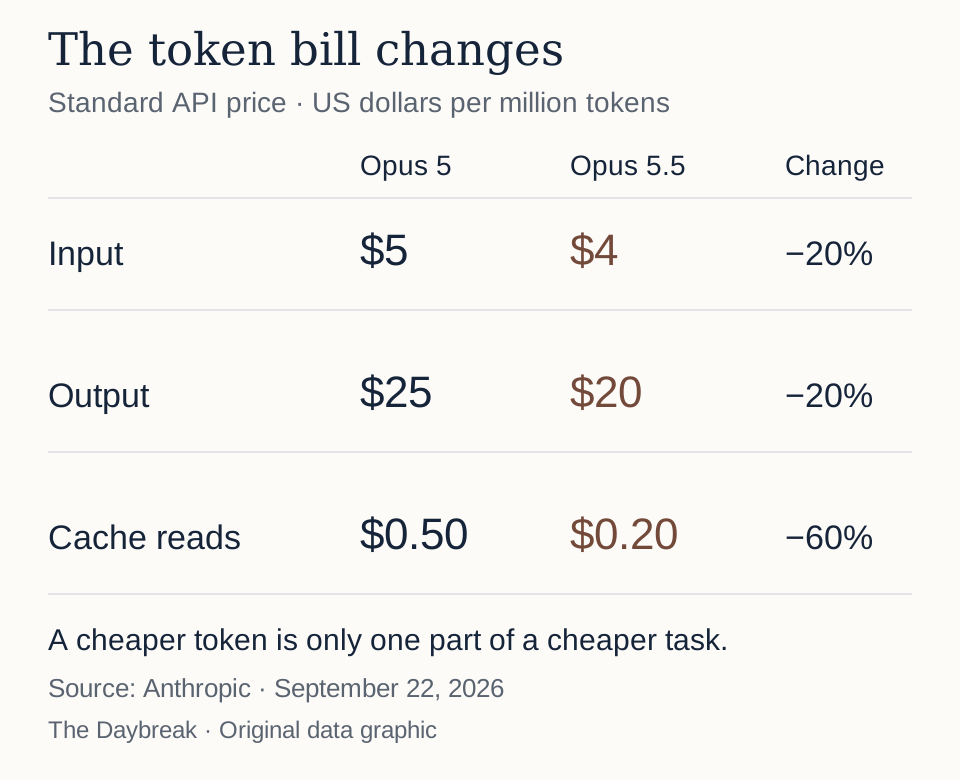
Anthropic’s Opus 5.5 and OpenAI’s GPT-6 Sol and Luna offer different kinds of savings. Independent tests show why the cheapest token and the cheapest useful result can be different things.
Google’s new Gemini Live models bring voice, camera context and background work together. The interesting test is what happens after the assistant says it can help.